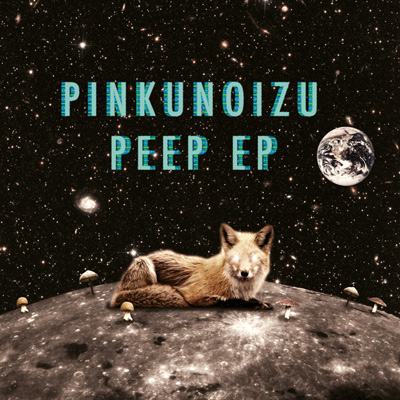
(Artwork care of Karen Ramsay (www.karenramsay.com), profile photo care of brianlackeyphotography.com)
Showing posts with label dreamy. Show all posts

Tuesday, June 10, 2014

Recording review - Wye Oak, Shriek (2014)

Muted reinvention can't make a sharp impact

Wye Oak eases into Shriek with the distracted track, “Before”. While the album’s title suggests strong emotions and a cathartic release, this opening song is curiously detached from all outside influences. The lyrics relate an amnesiac’s distracted and confused perspective, but lead singer Jenn Wasner is utterly unruffled. The steady beat of reality is held slightly at bay by the dreamy keyboard washes and serves as an apt setting for someone who feels like “I have never lived/ Or else forgot.” Robbed of expressive intensity, that clockwork rhythm still adds a tension that is never resolved within the confines of the piece. The title track follows, but any hope of resolution quickly fades. The tight indie pop loop offers airbrushed beauty rather than any kind of edge. The pretty sway of the music takes the sonic soul of Pink Floyd’s “Learning to Fly” and filters it through a synth pop sieve. The prickling sense of expectancy and possibility is softened, leaving an amorphous fluidity that offers no grasping point. There’s no question that Wasner’s full, lush voice is an improvement over David Gilmour’s, but, although Gilmour is not a particularly moving singer, he connects with his theme in a deeper way than Wasner can.

This is the fundamental problem with Shriek. Wye Oak has reinvented themselves, abandoning guitar for keyboards and bass. But their new incarnation can’t summon the highs and lows that used to come naturally. Instead, everything is muted and held at arm’s length, like they’re playing on anti-depressants. Reinvention itself is not the issue. Bands have to grow artistically and Wasner and her partner Andy Stack made it clear that a change was necessary for the group to survive. They’ve publicly discussed their burnout and self-doubt in the wake of touring for their 2011 release, Civilian, and moving toward a more electronic sound is certainly intended to push them outside of their comfort zone. Unfortunately, they’ve melted all too complacently into the big sea of electronic pop bands. The group retains the relaxed dreaminess and simple harmonic progressions from their old songs and Wasner’s singing is still warm and rich, but the dynamic shifts that made them stand out are gone along with the guitar. Some of Civilian’s sharp contrasts were tied specifically to that instrument; listen to the layers of seething guitar jump-starting “Holy Holy” or the raw eruption in the middle of the title song. But even Stack’s drumming was livelier and more visceral on their last outing; the loose flow on “Hot as Day” and the nuanced support on “We Were Wealth” serve as fine examples of what he can do.

Not all of the new material is run of the mill, though. When they fully sink into their new sound and then push some boundaries, Wye Oak manages to generate a little more excitement. The bass and drums on “Glory” create a darkly pensive flow, with restless synth framing that adds to the disquiet. The chorus brightens the mood briefly, but the bridge is where the band shines. They sink into an interlude of funky percussion and simmering electronica. Mutated riffs ripple and distort for a short bit of savory disorientation. That pearl of chaos enlivens the whole track, as whammy bent fill notes ride with the song to its conclusion. Later, “Paradise” mines a different lode of dissonance, with hazy shards of feedback lurking under the staccato surface of the tune. The organic noise is welcome, but the way the tune blooms into open moments of calm is a callback to the band’s earlier work. That may be as much of a connection to the past that fans can get. The consolation is that, while dissociation and distraction blunt Wye Oak’s impact on Shriek, Wasner’s singing is sweeter than ever.

(This review first appeared on Spectrum Culture)

Tuesday, January 21, 2014

Recording review - Silencio, The Politics of Lonely (2013)

Soft focused and saturated, an enchanting taste of memory

There is a moment of clarity when will and intent drop away, a moment that exists outside of time. Buddhists call it satori. On The Politics of Lonely, Julien Demoulin and Silencio circle that point, trying to intuit its shape. But they recognize that the surest way to approach it is to let go of the search and drift idly, letting the currents carry them. Dreamy and relaxed, the album is a trance journey that skirts the edges of space music, New Age and experimental post-rock. This new album is more rhythmically engaged than the band’s last release, When I’m Gone (2012), but still aims for a hypnogogic state on the borderlands between sleep and consciousness.

The pieces are evocative, often sounding like they’d pair well with short videos—“The City” has a shimmery underwater feel that could serve as the soundtrack for an old film loop. It’s easy to imagine the soft focus and saturated colors of home-shot Super 8. All the action onscreen would be silent and the music would rest upon it with the distance and detachment of memory. Maybe this is the loneliness indicated by the album title, but, if so, it’s a thoughtful remove. The reminiscence is split by staccato piano stutters that suggest a set of hidden meanings that never quite coherently connect. The second time through, the song is caught in an eddy of navel-gazing. The languorous flow is distracted by the glistening ripples, by worlds of possibilities.

The songs on The Politics of Lonely are anchored by Demoulin’s guitar and Bernold Delgoda on percussion, along with Nicolas Lecocq on keys. The guitar and piano take turns leading, while Delgoda’s drag beat rhythms ensure that any progress is slow and measured. Synthesizers and electronic treatments flesh out the pieces, adding an ambient vibe that meshes with the reverberating melodies. Several of the tracks also feature Lénina Epstein on bass, most notably “Old You” and “Bridges”. This latter tune follows in Pink Floyd’s footsteps, borrowing a little from both Dark Side of the Moon and Wish You Were Here. A looped guitar figure slowly sways from one chord to another while Epstein’s bass swoops between the two root notes and the drums groove along lazily. The piece seems content to wander from pole to pole, but then it comes to a halt as if blocked. The guitar probes with single notes, as if searching for a way around. The drums stumble along as the other instruments make their tentative forays. The rising swell of synths signal a change in perspective and a crystalline path forward is revealed. It’s not clear where it will lead and the moment freezes on the brink of a decision.

The album is enchanting as it explores world after world, traveling to the hazy heart of Limbo or mapping the drifting boundaries of unknown dream dimensions. Each track is a meditation, where a different mantra reigns. The universal truths they reveal are found in the rolling waves of synthesizers and guitars cloaked in echoes. On repeated listening, Delgoda’s percussion stands out as the distinguishing element. His nuanced playing magnifies the differences in mood and keeps Silencio from slipping into any single genre. His structure pulls the album away from the gravity well of space music and pushes it in jazzy and progressive directions

How close do they come to enlightenment? As close as the heat shimmer wash of a desert sky or as far out as taking mushrooms and watching dust motes dance in the sunlight.

(This review first appeared on Spectrum Culture)

Tuesday, June 25, 2013

Recording review: Pacific UV, After the Dream You Are Awake (2013)

Soft-focused electro-pop

Do you have a tightly-wound, Type A personality and need to take your OCD down a notch? Or are you naturally mellow, just looking to pad out your cozy den with another bit of fuzzy warmth? Perhaps you’re chemically altered and you don’t want to harsh your buzz. Rejoice, Pacific UV’s After the Dream You Are Awake may be just the chill pill you’re looking for. Their dreamy electro-pop is devoid of hard edges or sharp corners. The songs seem to drift in from the hazy distance at a zombie pace — the old-school slow kind, not the frantic ones. There’s little sense of anxiety, only an opiated dissociation that drains away all urgency.

On “I Think It’s Coming”, vocalist Laura Solomon’s cautiously gentle singing suggests late night confidences and heavy confessions. Rather than distance, her detachment imbues the lyrics with deep intensity:
I don’t believe in what I can’t see
The way you climb right into me
Let’s not pretend this is the end
Just be still, it’s about to begin 
 Sonic details collect as the tune unfolds with languid grace. Like a slow motion explosion, each isolated part finds its position in space. The song evolves into the shadow of a powerful, painful memory, one that was packed away for later perusal. With the insulation of time, the specifics can be pulled out and examined through a coating of gauzy reverb. “I think it goes without saying/ I think it goes/ Watch it go” – tumultuous loss has been polished down to a core truth that transcends the emotional impact.

Pacific UV’s electro-pop side bubbles through more strongly on tracks like “American Lovers”. Unlike “I Think It’s Coming”, there’s no sense of trauma, just a hopeful promise. The dance-friendly arrangement features a fanning shimmer of synths, organic highlights of guitar, and Clay Jordan’s whispery voice. This love song gets its dreamy vibe from the cottony swaddle of echo as Jordan draws a preordained line of connection, “In a distant time and place, under moonlight cold and clear / With an ever-changing face, I will always meet you here.

Despite the sedated flow of After the Dream You Are Awake, two songs offer a touch of surprise. One is the band’s cover of Billy Idol’s 1983 hit “Eyes Without a Face”, which updates the original’s synth-pop with more modern electronic sounds. Maintaining Pacific UV’s penchant for soft-focus, they edit Idol’s lyrics slightly to remove the sneering tag, “Got no human grace, your eyes without a face,” from the chorus and they leave the rocking bridge out altogether. By contrast, “Russians” throbs with a nervous, hypnotic oscillation. Jordan and Solomon retain detached on the verses, but the expressive chorus breaks the monotone and opens into expansive trippiness. This gap in their façade is a pleasant change, offering a memorable landmark in the play list.

Reflective but not soporific, the prevailing mellow groove on this album succeeds because it ornaments itself with fascinating electronica, subtle lyrics, and a varying palette of songs. The title speaks of waking after the dream, but these songs suggests that dreamtime should linger a while longer. This is music best saved for the after-party or when its calming center is just what the doctor ordered.

(This review first appeared on Spectrum Culture)

Thursday, December 6, 2012

Recording review - And the Giraffe, Creature Collector (2012)

Delicately balanced dreamy folk

Last year, I reviewed And the Giraffe's EP, Something For Someone. I enjoyed their mellow exploration of dreamy folk space; each song created a different mood, finding its own niche. Their latest short-form release, Creature Collector, builds on that nuanced sound with richer production and a stronger contribution from the rhythm section. A perfect example is "Of the Moment", which starts with simple reverbed guitar figure. Robert Edmondson's melodic bass line comes in and adds focus to the quiet reflection. Gossamer shreds of electronic washes are barely perceptible. The breathy lyrics are brief and poetic:
Here I am, trapped in the embers
Of the moment
And the why
Darkness descends with a sharp contrast between prickly bass notes of doom and a rapid, panicked drum beat. This dissipates as the song wakes, driven by an experimental percussion jam. It's a lot to fit into three minutes, but the band effortlessly flows through this evolution.

And the Giraffe continues to evoke Gomez, with vocals reaching for Ben Ottewell's velvet rasp. "Find My Name in the Sun" floats forward, with a weary acceptance:
Does a loving feud have to be something more?
Will the rug muffle our yells?
Will the chipped paint ever dry?
Will the room keep closing in?
The detached vocals suggest a surrender at the loss of a relationship, holding none of the sting these lyrics suggest. The music remains unencumbered and light, despite some ornamentation. A soft banjo, synth washes, and other subtle sounds add detail, but find a delicate balance. The folky feel transitions into a rootless, atmospheric electronic shimmer for the bridge. This heralds a growing complexity, where complacence becomes anticipation, signaling an end to the grieving. Conflicting details layer together, but never feel chaotic because harmony still dominates.

The six songs on Creature Collector all seem to capture some degree of pain in their lyrics, but the music redeems them from any self-absorbed whining. It's hard to be melodramatic when the tunes remain stubbornly low key and perceptive. So, it's less Melanie's "Beautiful Sadness" and more Wilco's "Less Than You Think". In fact, the closing track, "Enough is Enough" seems to channel Jeff Tweedy's halting rhythm in its beginning section. The simple piano is sparse, emphasizing the lines by dropping back rather than dynamic punches. After this intro, the rest of the band comes in, kicking off a "Walk on the Wild Side" groove. Except for a touch of noodling electric piano early in this section, it's a perfect transition. The song closes with a fuller sound; distorted guitar and a saturated mix bury the track in another noisy Wilco touch.

Drop by And the Giraffe's Bandcamp page where you can name your price to download Creature Collector.


Tuesday, December 4, 2012

Recording review - Godspeed You! Black Emperor, Allelujah! Don't Bend! Ascend! (2012)

 Cleansing noise, organic chaos, and feedback drones herald a fine return

Godspeed You! Black Emperor slipped into indefinite hiatus back in 2003. Fans were heartened when they reunited in 2010 to curate and perform for All Tomorrow's Parties' Nightmare Before Christmas festival, but it's taken another couple of years to get a new album from the band. Allelujah! Don't Bend! Ascend! will certainly please their fan base, although some might mutter about the paucity of new new material. The album clocks in at a respectable 53 minutes on four tracks, but the two long tracks are older songs. "Mladic" and "We Drift Like Worried Fire", formerly known as "Albanian" and "Gamelan" respectively, each run 20 minutes and contrast with the two shorter pieces, both in style and breadth.

"Mladic" opens with a tape loop ("'With his arms outstretched', 'with his arms outstretched'...") and swells of guitar. Sustained guitar, ornamented with violins in bagpipe drag, defines the ground floor of what will grow into a chaotic tower of ragged sonic textures. The noise swirls around, creating an eye of calm to cocoon all within the ringing headphone space. It promises, "submit to the fuzz-laden power and be cleansed." The circle tightens around a single note, with overtones creeping in and away. That tonal center modulates, tuning into a deeper frequency of the universe. The pocket is buffeted by springy pokes of guitar, but remains strong...

That's just the first three minutes. The track carries on to ride through tempo changes, percussive syncopation, and even something resembling a song. Along the way, the sonic tour visits the motor at the center of the world, imagines dimensions where Lou Reed's Metal Machine Music sits at the top of the pop charts, and samples an Eastern European alternative radio station featuring Dick Dale's live performance in Hell. This beautifully evocative chaos is exactly what  Godspeed You! Black Emperor built their reputation on.

"We Drift Like Worried Fire" presents another face. Here, the music acts as score backing a dream. Creaking timbers and drifting tones suggest a rudderless ship in the fog. When we find ourselves delivered onto a crystalline shore, faced with a maze of interlocking guitar lines, there's no choice but to move forward into the indie psyche groove. The paced melodic bass line under the choppy guitars and drums suggest a My Morning Jacket jam, full of transcendent hope. And when a darker tune rises into the cracks of the song and takes over, the creepy tension is still held at a distance by a trick of dream logic.

These epic journeys position the shorter tracks as mere interludes, where six and a half minutes seems like a short form for the band. Both "Their Helicopters Sing" and "Strung Like Lights at Thee Printemps Erable" are structured around gentler drones. "Strung Like Lights" offers some feedback-driven angst, but even that dissolves. These songs never coalesce like their larger siblings, but each explores an interesting set of textures. Recorded with smaller line-up and sparser instrumentation, they feel incomplete; their soft focused ambiance acts as a digestif for the longer pieces. 

Less overtly political than earlier releases, Allelujah! Don't Bend! Ascend! relies on subtle clues in the liner notes and song titles to allude to their causes. Whether you're familiar with the Maple Spring protests or not, embrace the noisy catharsis and appreciate that Godspeed You! Black Emperor is back.

Tuesday, November 6, 2012

Recording review - Flying Lotus, Until The Quiet Comes (2012)

Mapping out new, unseen vistas from mystical dream space

Flying Lotus’ last album, Cosmogramma set a high water mark for experimental electronica, full of insectoid rustling rhythms and the disorienting sound of alien cyborg minds interpreting lost human dreams. On his latest, Until The Quiet Comes, FlyLo turns away from that tension and moves into a more mystical zone of consciousness without surrendering his musical center. The beats may not be as skritchy as before, but he continues to explore polyrhythmic expression with an avant-garde edge.

The new tracks are grounded in a rich electronic foundation, but they often toy with the trappings of jazz music and have a film score worthy feel. FlyLo uses ordinary techniques like synth washes, looped segments and grinding bass, but he regularly defies convention with odd combinations and surprising contexts. Trip hop, ‘70s easy listening, electro-pop, and Deustchrock motorik are all part of his vocabulary

On All In, he takes a deceptively simple drum beat and builds rhythmic complexity with busy melodic phrasing and stray bits of percussion. The song sets up a sweet contrast between the tight drum line and the shimmery washes of music. The loose waves fade down and dissipate to close out the track with Niki Randa’s ethereal vocal: “Was it not for us to claim?/ Win the game.” But rather than an ending, this is actually an early beginning to the next song, Getting There.

FlyLo continues to walk this softer path for the next couple of tracks, culminating in the dreamy free jazz sound of Heave(n). Then, on Tiny Tortures, he erects a complex beat with a collection of electronic and percussion sounds. Weird and dreamy, with an alien beat, this is the first song on the album that alludes to the sounds of Cosmogramma.

Later, the title track, Until The Quiet Comes, makes that link more explicit. A bit like the second half of Cosmogramma’s Zodiac Shit, the beat is assembled with layers of interlocking elements. Both give the rhythm a crisp, clear tone over a meandering bass. Until The Quiet Comes lays down a wicked blown speaker rumble on the low notes. Near the end of the track, Stephen "Thundercat" Bruner plays a tight chromatic bass line that drives up the energy for the transition to the soft-focused sound of DMT Song.


FlyLo’s rhythmic experimentation may be his hallmark, but Until The Quiet Comes also features a grab bag of intriguing production choices. All The Secrets is cut and mutated, with a host of cool details to fixate on. The irregular beat is glitchy, punctuated with chirps and beeps. It’s backed with a deconstructed R&B vibe built from a piano sample that slowly fills out over repetition into a full melodic line. Just as you lock into the tranced out effect, it sidesteps into a brief looped break and then an 8-bit video game music feel, before drifting back home. Each step along the way covers a lot of ground but the transitions flow smoothly.

FlyLo does a decent job of importing the guest artists into his musical space. He starts off See Thru To U with a pop song structure. Erykah Badu’s vocal is simple, but blurred with a bit of echo. The syncopation stays constant, but the pop framework drifts away to leave a more free form jam that reminds me of Frank Zappa’s work on Outside Now (Joe’s Garage Acts II & III). Badu’s voice scats along with the jam. On the other hand, Thom Yorke’s contribution on Electric Candyman is quite a bit harder to recognize.

Hunger turned out to be my favorite track. It fades in with a cinematic mood enhanced by a touch of Pink Floyd psychedelia. Niki Randa’s echoed voice sounds like a phonograph playing in the fog. Sharp pinpricks of notes push through the languid washes of echo and synth. It’s hypnotic as Randa’s breathy voice puts an ominous spin on “I’ve hungered for you for far too long to stop now.” The music fades with a minute and a half still left: FlyLo has a penchant for fake endings and juxtaposing separate songlets in the same track. In this case, the second section is a short reflective interlude, but its experimental dream pop sound owes more of a debt to Radiohead than Pink Floyd.

Until The Quiet Comes is satisfying because it‘s packed with a variety of moods and sonic focal points. Its perspectives can enhance a sunny bicycle commute or the shadowy embrace of a dim room. Fans of FlyLo’s earlier work will still find the intricate polyrhythms and off-kilter mesh of jazz and electronica. New listeners can enjoy the smooth blend of analog and electronic instruments as well as the contrast between tight beats and loose melodic elements. Compared to Cosmogramma, it might seem too safe and approachable. But dropping some of that frantic pace leaves room for more open ended wandering. This can yield moments of dissociation, like on the first half of me Yesterday//Corded, or evocative moments like Hunger. It’s a worthwhile trade off between dense microcosms to marvel at and new, unseen vistas to map out.

(This review first appeared on SpectrumCulture)

Thursday, October 18, 2012

Recording review - Helvetia, Nothing In Rambling (2012)

Outsider simplicity finds its own path

Helvetia's music comes from a nexus point of Syd Barrett, Robyn Hitchcock, and Stephen Malkmus. Like those artists, Helvetia delivers their songs with a matter-of-fact simplicity coupled with an outsider musical aesthetic. In a kind of savant approach, they know where they want the songs to go, but they don't always take a familiar path to get there. That odd perspective is a large part of Nothing In Rambling's charm.

Bandleader Jason Albertini used to play with the spaced out jam band Duster. As Helvetia, he and fellow ex-Duster Canaan Dove Amber have collaborated with outside musicians, including members of Built To Spill and Dinosaur Jr.

Compared to Duster's defocused space, Nothing in Rambling is more directed, but the music is still dreamy and suffused with a drifting languor. The pop length tunes are soft-focused snapshots of a strange, psychedelic prog world that Helvetia knows well. The band is adept at creating rich, surrealistic collages. Where other bands can be self-indulgent or theatrical, Helvetia remains understated and natural.

On RyBro, the vocal has a touch of Stephen Malkmus' detachment, which works well with the Pavement style guitar grind scattered throughout the tune. The pop psychedelic sound edges more towards Guided By Voices. The lyrics are directed, yet skewed. They could have sprung from Robert Pollard's feverish mind:

Most erratic traps
Now you're talkin'
I bet you drove all night (oh yeah)
Just to show that you don't really care
What you really could be.
The offbeat groove limps forward with a practiced ease and a steady acoustic strum. Nicely paired electric guitars provide some sweet, meandering fills. The bridge, with its underwater organ caresses, is just a brief pause before the closing solo. The tune sounds like Albertini is a little smug at figuring out a difficult equation, so now he can understand someone's motivation. The lyrics reveal enough of his underlying logic to hint at a kind of Asperger's, but that perspective makes the song work.

Don't mistake detached and dreamy for cheery, though. The album captures a range of moods. A Mirror, for example begins with an anxious, staccato beat accompanied by sharp fills from a single coil guitar cloaked in an ominous, thick reverb. Moody and insistent, the sound is detuned and blurry, like old, over-saturated Polaroids. The tension reminds me of the lack of control during an episode of sleep paralysis. It's the space between dreaming and waking, where the rational world is drifting away. Conscious enough to recognize this, the listener is powerless to affect it. The musical sections of the song flip past in a progressive rock flow.

The lazy vibe seems to break with Nettles, where a spiky, speed-picked guitar and rolling snare offer an appropriately prickly intro. But this quickly collapses into a wide open sound, like one of Robyn Hitchcock's musing compositions. The song lingers in this spacy reverie long enough to set the psychedelic hook. Then, like a skittish school of fish, it veers off in new directions. One moment it's Beatlesque, then it twists to provide a moment of Syd Barrett naïveté. The blend of songlets shuffles through mood and tempo shifts before eventually winding back to the track's frenetic beginning.

Like the obsessive geek kids I grew up around, Helvetia aren't socialized to worry about their facade; they're just making music the only way that makes sense to them. Despite the mood shifts and experimental approach, that approach drives an artistic consistency on Nothing in Rambling.

(This review first appeared in Spectrum Culture

Tuesday, October 9, 2012

Recording review - Callers, Reviver (2012)

Extends Callers' dreaminess into lush, progressive spaces

It's great to hear a strong band build on their strengths and reach into new spaces. Reviver is a phenomenal follow up to Callers' last album, Love of Life (review). That album seemed to use Sara Lucas' rich voice as an inspiration for each track. Lucas' sound still suggests strong singers like Phoebe Snow and Joan Armatrading, but the music is more forward and exploratory. It's a joy to hear the band develop their sound into progressive and art rock directions. Ryan Seaton's guitar/bass work were already impressive, but now he's developing more complex, interlocking parts.

Lucas and Seaton remain the core members of Callers. Drummer Don Godwin helped finish the album, but has since left the band. Meanwhile, Keith Souza and Seth Manchester of the recording studio Machines With Magnets collaborated on the album and eventually joined the band. Despite those changes, Reviver is a very focused album.

Like their earlier work, the new album is anchored in an emotional vibe. The sound is evocative and richly expressive, creating a range of moods beyond the core dreaminess of Life of Love. That expansion allows for poppier moments like Heroes (via Black Book Magazine), off-kilter dance rock like Howard 2 Hands, and jazzy progressive jams like It's a Ringer. Seaton denies that Callers are a jazz band saying they don't really improvise, but Reviver emphasizes a jazz feel based on an openness that allows for contrasting parts and interesting rhythms.

Crush Times opens by repeating a pretty ascending bit of guitar jangle. This peels back to a sparser instrumentation when Lucas comes in. The bass line simplifies and the guitar drops the occasion chord splash, accenting the vocal line. Lucas effortlessly floats on the breeze of the tune, smoothly wafting up or catching a brief, swift current. On the chorus, the guitar and bass mesh together on the melodic climb from the intro. The bridge challenges as it drifts away from the tonal center with a staccato counterpoint. It builds like a circle of fifths progression until it collapses back into the chorus changes.

The title track, Reviver, is a complete change of pace. The speedy guitar tosses out sharp edged chord fragments with frantic energy. Reminiscent of Robert Fripp's playing, it's a departure from Callers' dreamy side. When the vocals come in, the groove shifts into a bass driven space with open sounding guitar riffs like the Police's earlier work. The song evolves into a heavier progressive rock feel. Lucas' voice is as lush as ever, but shows a touch of steel:
You are closer to the sun
But I have got a window
We are older than ourselves
And I am your reviver
I'm your reviver
I lost myself, I lost myself
I'm guessing that Godwin is drumming on this; the way the drums leave some holes to accent the guitar while maintaining the tight beat sounds like his style. Seaton's guitar work shows off a palette of sonic textures, moving from burnished copper smoothness to warped and rippled sheet metal sounds.

Another change up is Long Control. It starts out in familiar space for Callers: down tempo and introspective. The light swells of keys add a nice touch. The first departure from the standard script hits when vocals come in, laying down a spacy, close harmony line. This is just a brief interlude. The phrase winds down and the song transforms into a poppy psychedelic soul groove that could be a deeper album cut from the 5th Dimension. The whole piece is so short that it feels more like a sketch than a worked out song, but it's really intriguing.

While Callers music is anything but derivative, these two songs alone suggest the band's growth, offering comparisons to Robert Fripp, the Police, and the 5th Dimension.  Meanwhile Lucas and the band have found a different balance that still relies on her range while giving the music more room to surprise and impress. If Reviver is indicative of what Manchester and Souza have brought to the band, they will likely continue to challenge the band to evolve their music.

Wednesday, September 5, 2012

September Singles

From dark to light, September offers several cool tracks.

JIP - Shudder (from Sparks, Flames, and Names)


Jim Gwynne and his band JIP just released their latest EP, Sparks, Flame, and Names. The running theme is about breaking up, but the band took an interesting approach and made each song a collaboration with a different featured artist. This gives the EP an eclectic feel.

My favorite track, Shudder has a delicious dark tension. Joanna Stanielun (Half Moon Mad) has a languid tone that promises trouble and excitement in equal measure. She sounds like a cross between Alannah Myles (Black Velvet) and Exene Cervenka. The interplay between Gwynne and Stanielun is powerful. "Every time I relapse / You leave me to shudder."

Drop by JIB's audio page to hear more.

Pony Boy - Not In This Town


With her smoky alt-Western sound, Pony Boy (Marchelle Bradanini) saunters through the darkness. Twangy, jarring, and low-fi, the music for Not In This Town is compelling. The metallic taste of Tom Waits' skewed musical aesthetic and the discordant guitar solo are warning signs, but Pony Boy's breathy whisper in my ear is confident that she'll pull us all in.


The Luyas
- Fifty Fifty (from Animator, due October 16)


The Luyas
Photo credit: Richard Lam

Moving away from this month's dark side, The Luyas have a new single, Fifty Fifty. It's too uptempo to qualify as dreamy, but Jessie Stein's vocals have an ethereal tone. The song begins as a solid danceable pop. The guitars and keys are thickly varnished with reverb, taking away some of the edge. Near the end, the drums drop out and then the song drifts into an ambient haze, reaching towards the atmospheric sound the band loves.

The Luyas new album, Animator is due out next month on Dead Oceans.

The Orb (ft. Lee Scratch Perry) - Golden Clouds (from The Orbserver in the Star House)


The Orb's Little Fluffy Clouds was a beautiful, trippy groove. Designed for the dance floor with a solid groove, it channeled the directed spaciness of Krautrock. Golden Clouds is not so much a remix, but a reinvention. The Orb's Alex Paterson and Thomas Fehlmann connected with reggae statesman Lee Scratch Perry. Perry's vocals, rhythms, and sense of dub served as an inspiration for a whole album of material, The Orbserver in the Star House.

Golden Clouds is more focused than its parent, but no less hypnotic. Where Ricki Lee Jones' vocal sample in the original was spacy, Perry's voice is like a trip sitter, guiding the flow of the song.

After you enjoy this, you should check out Golden Clouds 81 Neutronz Mix on PopMatters. With heavier electronic processing to take the track into dubstep territory, it's yet another ripple from the Orb.

Thursday, June 14, 2012

Recording review - Eternal Summers, Correct Behavior (2012)

Classic new wave sound evokes 1982, with tight arrangements and striking vocals

Eternal Summers' EP Prisoner (review) was my introduction to the band last year. At the time, the duo's dream wave sound made an impression in a mere four songs. The new wave grooves coupled with Nicole Yun's ethereal vocals created an interesting mix. Her choppy guitar work meshed well with drummer Daniel Cundiff's tight beats.

But a lot has changed in the last year. The band has added a full time bass player (Jonathan Woods) and their new album, Correct Behavior has sidled closer to a classic new wave sound.

The thing I love about Correct Behavior is that it's a perfect page out of time. Their sound is unselfconscious, without being a ripoff or tribute. And yet they perfectly capture 1982 for me. Deborah Harry had inspired a new generation of post punk young women. Missing Persons, Berlin, Romeo Void...the radio was full of staccato guitars and striking feminine vocals. For me, 1982 is all about smoky clubs and intense new wave bands.

The opening track of Correct Behavior, Millions, has the slick sheen of new wave pop. Yun's lacquered vocals capture Terri Nunn's simple phrasing with dreamy detachment:
I've got to shake this shell
And break it into millions
But her guitar work is the standout element. The looped slices of rhythm guitar contrasts beautifully with the chaotic accents of ambient feedback and powerful riffs. The track has all the sparkle of Berlin's best work, but that touch of chaos is more modern.

That new wave sound anchors much of the album, from the Modern English sound of You Kill to the speedy Television beat of I Love You. While Yun's vocals occasionally hint at a hazier tone, Eternal Summers doesn't really reveal their dream pop side until the fifth track, It's Easy. The somewhat melodic bass line reaches for psychedelia but the guitar never gets enough echo or tremolo to let the track drift fully into head space. Nicole Yun's voice is wrapped in cotton wisp to form a thin veneer on top of the simple changes.

That ethereal sound makes a couple more appearances on the album, but Eternal Summers seem more interested in exploring post punk worlds. The welcome addition of the bass opens up a fuller band sound. Stripped down on Prisoner, the band seems to relish the luxury of having an extra member. Woods' bass on Good As You is subtle but powerful. He punches the beat with the guitar early on, but sometimes shifts to a loose twin of the vocals that makes the arrangement free fall a moment before settling back into the groove.

1982 was a good year for new wave. So is 2012.

Thursday, March 8, 2012

CD review - Pinkunoizu, Free Time! (2012)

Exploratory variation and sonic experimentation create a rich series of musical worlds

2011's PEEP EP (review here) was a first taste of Pinkunoizu's musical subconscious. Now the European experimentalists have followed up with a full length debut album, Free Time! Where PEEP EP followed a twisted dream logic path, Free Time! drifts through clouds of experimental loops, dream pop, rhythmic ambience, and indie rock. Pinkunoizu's musical soul is dedicated to an exploratory variation, so these songs bounce around quite a bit. But they maintain a trippy, noise pop coherence.

Two tracks from PEEP EP turn up again, Time Is Like a Melody and Everything is Broken or Stolen. The meandering synth sounds of the latter are a welcome taste of Pink Floyd's More cast against hypnotic poly rhythms.

But the new tracks offer their own intrigue. Myriad Pyramid toys with creaky ambient sounds before settling into a groove like Radiohead covering Bowie's The Man Who Sold the World. Death is Not a Lover mutates from a soft, moody beginning to juxtapose folky Americana against a trippy background chaos. Then it collapses into a staccato chant before evolving into jangling new wave groove. Each track plays like a grab-bag of disparate parts that somehow always form a greater whole.

The peak is The Abyss. The percussive start is dark and trippy, but was sharp chops of guitar are looped in, the vibe resolves into something more dream poppy. The bass line and climbing fill guitar hint at Pink Floyd's Sisyphus. The layered parts play like loops, full of details that rise and fall in the mix as the song unfolds. As the song drifts forward, each twist and turn seems unplanned but inevitable. The groove builds intensity and supports some Jerry Garcia style guitar noodling. At every moment the music makes perfect sense, but it's not a linear development of ideas.

This is Pinkunoizu's blueprint for Free Time! Musical moments blend into one another in a collection of happy accidents. Detailed loops indicate planned out production, but the tracks evolve and flow like improvisation.

Further listening
The first single, Parabolic Delusions, is both the most accessible and least interesting track on Free Time! It's lyrically quirky, but the cheery pop shows less complexity than te rest of the album.

Thursday, February 23, 2012

February Singles

Three very different flavors this month.

Santigold - Disparate Youth (from Master of My Make Believe, due 1 May)


Santigold has offered a couple of tastes from the eagerly awaiting Master of My Make Believe. The latest, Disparate Youth, sets its electro pop hook quickly, but has plenty of nice edges to keep it interesting. Her casual vocals give the track a reflective vibe that fits the trancy repetitive keyboards. The light dusting of chank beat keys are a nod to Jamaica, where she did some of the recording.

Zambri - ICBYS (from House of Baasa, due 10 April)


ICBYS (I Can Believe You Said) sets a frenetic pace. Zambri has crossed Missing Persons style synth pop with David Bowie's Scary Monsters and packed it with a dance friendly beat. The duo's manic vocals move beyond quirky to take on a disturbed quality that meshes well with the thick sound, full of noisy artifacts.

Download the track at Stereogum.

Spanish Prisoners - Know No Violence (from Gold Fools)

Spanish Prisoners - Know No Violence (official music video) from Spanish Prisoners on Vimeo.

Pretty dream pop guitar sets a relaxed mood for Know No Violence. Autumn Stein's dancing late in the video is the perfect expression of the subtle joy infusing this track. The sweet falsetto vocals hint at pretty secrets with a wistful tone. I'm looking forward to listening to Gold Fools to see if Spanish Prisoners can deliver on their self described genre of "tremolo-haze headphone symphonies". Gold Fools is available for "name your price" at their Bandcamp page.
Wait with me, forget your silence
You and I will know no violence...

Tuesday, February 21, 2012

CD review - RACES, Year of the Witch (2012)

Emotional and dreamy songs are perfectly constructed

If RACES' live set seemed like a bipolar mix of indie rock and dream pop, Year of the Witch proves that the two sides are more tightly aligned than that. In the studio, the intricately assembled parts mesh like a beautiful Chinese puzzle. On the surface, the songs are interesting and engaging, but there are layers of detail to tease out.

The opener, Year of the Child, fits a lot into a brief minute and a half. Lushly orchestrated, the core is based on counterpoint guitar parts supporting ethereal vocals. The song meditatively uses repetition to build its reflective mood. A simple melodic theme starts in the music, but then finds a home in the backing vocals. Later, the melody line is taken up by the steel guitar only to echo a moment later in one of the other guitars. The tonal match between the two instruments is so close, a casual listen might miss the switch. It's a beautiful musical moment.

Their pop sensibility is wedded to rich musical vision. The song progressions are much too involved to fall into simple pop cliches, but RACES avoids the opposite trap of challenging, "difficult listening" music. The down tempo dream pop baseline of Year of the Witch sets a mellow tone, but a repressed intensity is never far. The reverberating, retro guitar sound might punch through the reverie at any time.

On In My Name, the intro is dreamy and weighted with weariness. Ethereal harmonies and simple guitar set the mood. But then it drifts into nightmare with a crash of harsh, spiky guitar and a solid beat. This transition is the heart of the song. Wade Ryff's voice is like felt -- softly smoothed and slightly fuzzy (if not quite raspy) -- like a younger Graham Nash. But his even delivery against the cathartic music reveals his anguish.

Year of the Witch is full of tight songwriting and well crafted arrangements. I love how an album that plays so strongly on emotional levels is layered with cool intellectual detail.

Year of the Witch is due out March 27 on Frenchkiss Records. In the meantime, check out RACES' video for Big Broom, the first single.

Friday, February 3, 2012

Concert review - El Ten Eleven, with Races and Wire Faces

2 February 2012 (Hodi's Half Note, Ft. Collins CO)

The crowd at Hodi's can get thin on a Thursday night, especially when it's a night of heavy snow coming down. That snow would become relevant for the drive home, but all three bands enjoyed a decent turnout of people unconcerned about the weather.

Each band offered a completely different approach to music, but they all connected to a similar focus and joy. It was a great night of impressive bands.

Wire Faces
This local trio held their own with the touring acts. I'm surprised I haven't come across Wire Faces before, especially after I learned they came out of Ft. Collins' favorites, the Jimi Austin. As Wire Faces took the stage, they seemed fairly straightforward: a standard power trio lineup of guitar, bass, and drums. But they quickly turned aside my assumptions. Usually a power trio emphasizes the guitar, but this was clearly the drummer's band.

Shane Zweygardt had his drum kit stage center as lead singer for the band. It's hard for a drummer to front a band from behind the kit, but Zweygardt had no problem holding the spotlight. He played with big expressive movements with a kind of Will Ferrell vibe that fit with his slightly quirky vocals.

Zweygardt was a kick to watch, but his drum technique was impressive. His left and right sides were more independent than most drummers, which helped him set up some off beat syncopation. In particular, his right hand tom work was impressive. Most drummers would catch the speedy fills with both hands, but he covered them with his right hand while his left handled a separate part.

Bass player Menyus Borocz added backing vocals, but stayed more inwardly focused. His melodic playing largely drove the harmonic progression of the songs, which let Ian Haygood's guitar stay near the edges, adding texture and some nice repetitive riffs. Haygood adapted his guitar sound to each song. He might use a chiming keyboard-like tone on one jam and then move to wilder sound full of echo and squeal for the next. Every now and then, he and Borocz might slip into a more standard guitar and bass arrangement, but that was rarer.

Wire Faces' songs had a mix of retro new wave and experimentalism. Their sound evoked bands like Wire, XTC, and early Talking Heads. Throughout the set, they channeled punk energy into their songs, but their playing stayed tighter in the new wave groove.

I expect to see Wire Faces again. They have an EP out that I'll need to check out as well.

Races
Races' set dropped the tempo compared with Wire Faces, but they maintained a strong stage energy. Their sound swirled indie rock and dream pop influences. A song might have a drifting, dreamy vibe, but the guitar would push against the drag beat with an insistent drive. Another might toss tribal beat intensity against sweet, floating harmonies.

The mix of elements made for a trippy vibe but, in keeping with their bipolar nature, Races was a very tight band. Having a half dozen members meant that they could forge a big, complex sound. Jangled guitar echo dashed against looping bass lines in a thick sound. The arrangements often dropped parts out to allow for some powerful dynamics. Races was never afraid to shoot for understated moments; these just emphasized their confidence in the flow of their music.

Wade Ryff and Devon Lee provided the fronting personality of the band. Ryff sang most of the lead vocals. His stage persona was a bit shoegazy, but he could still sell some intensity. He left plenty of room for Lee's more exuberant presence. Whether she was pounding a floor tom or adding her ethereal harmonies with keyboardist Breanna Wood, Lee stayed deeply engaged. She danced with abandon and visually channeled Races' musical intensity.

Maybe it's better to describe Races as balanced than bipolar. Their music comes from an inner voice that seems dreamily optimistic. Waves of catharsis might sweep through, but the band rides it all out.

Over the last week or so, I've been listening to their new EP, Big Broom. It's great, but I'm looking forward to their full album release next month of Year of the Witch. Drop by Races' Bandcamp page to hear a couple of cuts from the album.

El Ten Eleven

Who are your bucket list bands? The must-see bands? Bands worth taking a road trip to see? Flaming Lips? Muse? Maybe Wilco or My Morning Jacket? If El Ten Eleven isn't on your list, write them down now in permanent marker.

Their set at Hodi's was transcendent. Guitar and bassist Kristian Dunn was perhaps the most amazing looper I've ever seen. He had a full arsenal of techniques and toys: playing bass and guitar at the same time on his Carvin double neck, extreme frequency shifting, loop mixing, E-Bowed tonal washes. Someone like Charlie Hunter, whose 7 string playing incorporates bass and guitar line, might compare. But rather than Hunter's jazz focus, Dunn played a mix of post rock and synth poppy experimentalism.

Dunn left me slack jawed as he built up complex, sectional progressive grooves. As he tweaked his loops or layered in yet another complicated puzzle piece of melody, the songs developed organically. It would have been impressive enough if he had merely juggled his musical parts and the myriad of ways he radically processed his sound. But he capped this off by having an incredibly dynamic stage presence. Whirling and lunging, he used big theatrical movements to express all of what he was playing. Where most loopers turn inwards as they fiddle with their tech toys, Dunn made it all part of his dance.

If looping let Dunn fill in most of the roles for the rest of a full band sound, drummer Tim Fogarty added a vital component. Like any good drummer, he had a tight sense of rhythm and handled odd time signatures with grace. But he also had to lock in with the loop timings and imperceptibly signaled section changes. At one point, it wasn't clear whether Dunn's loop accidentally had an extra half beat or if it was planned. Either way, Fogarty smoothly followed odd beat rhythm, throwing in a brief little fill every time the half beat came by.

Despite all the pre-show planning that goes into a performance like this, as well as the complexity of the parts, El Ten Eleven's instrumental set was hardly intellectually dry. Their songs were moving as they developed from thoughtful ambiance to soaring power. While the prog flavor occasionally reminded me of Porcupine Tree, they were just as likely to evoke U2, Big Country, or Supertramp.

All the movement and great music would have been enough of a show. But El Ten Eleven took it all to another level. Whether it was Dunn cross cutting his loops like a DJ or simultaneously layering in hammered guitar harmonics at the same time as an intricate bass line, El Ten Eleven kept finding ways to astound me.

I'm already looking forward to the next time I see the band live. If you're waiting too, grab a taste from YouTube to tide you over.

More photos on my Flickr.

Wednesday, January 4, 2012

CD review - Softspot, NOUS (2011)

Psych pop reveries hint at deeper possibilities

Brooklyn trio Softspot has its origins as a duo between childhood friends Bryan Keller and Sarah Kinlaw. Bringing drummer Andrew Spaulding into their mix adds a touch of drive and structure to their psychedelic tinted dream pop. NOUS is a mere three songs, but they're enough to demonstrate how Softspot excels at creating textures and mood with a dense sonic mix.

Each song offers its own sensibility. Holy Father uses insistent percussion to build tension while sparse instruments add accents. The vocals provide the real balance; they're strong, but the softened attack and echoes give them a detached feel. Slight Pink Floyd psychedelic vibes creep in, but the overall sound is more like Bjork. I can just make out the words, but they don't seem to matter to the psycho-sonic sense of the song.

Next up, Slack Tide's dreamy indie pop is full of muted jangle and flickering candle-light vocals. The tight drum groove anchors the dream. Once again, the track creates a strong feeling, like the sound of sitting in the dark with someone who might become your love, communicating with light touches and whispers. The sense that things are waiting in store for you. The song's climax hints at illumination, but only reveals more possibilities.

The final track Notorious Debris starts by recalling Pink Floyd's Set the Controls for the Heart of the Sun, but the richly reverbed guitar ignores that to explore a dreamy, late night vibe. The textures of the music create a mix of Callers and pop psychedelia. The vocals add a birdlike quality. Then the song expands into an intense noise pop swirl of sound.

Most importantly, NOUS has an innate quality of more-ness. I want more than this short EP so my dreamy reverie can continue.

Drop by Softspot's Bandcamp page to listen and buy the tracks.

Friday, November 25, 2011

CD review - The Golden Awesome, Autumn (2011)

Yin-yang between noise rock and dream pop

Why do I find such bliss in noisy abandon? There's something about a thick blur of grinding sound that drowns out my daily concerns. It's cathartic, even as fuzzed out guitars seem to echo some of the static I repress in my brain.

Regardless of how I made this association -- was it that first golden moment when I was transfixed by the Velvet Underground's Heroin? -- it hints at the psychoactive nature of music.

On Autumn, The Golden Awesome are just that: awesome. I'm cossetted and comforted in a hazy blanket of noise. Ragged guitars weave a psychedelic tapestry, mediated by distant, close-harmony vocals. The yin-yang between the singing and the music permeates Autumn. Floating above the fray, the dreamy sweetness of the vocals complements the sonic flail with a soothing contrast.

I included A Thousand Nights and One Night in my September singles post. All of that is true for Autumn as a whole. The songs vary in tempo and feel, but the shifting balance pervades the tracks, providing a subtle power that mere noise rock or dream pop would lack.

One of my favorite tracks is Where To Begin. It melds Pink Floyd's Fearless with the Beatles' Blue Jay Way. The repeated Escher-like melody climbs briefly before resolving back where it began. I love the sense of moving forward while staying centered.

Autumn was released on November 15 on M'Lady's Records.

Monday, October 24, 2011

CD review - Pinkunoizu, Peep (2011)

More dreamlike than dreamy...how did I get here?

Pinkunoizu's EP, Peep, is not so much dreamy as dreamlike. The band manages to create and capture the sense of a free ranging subconsciousness throughout the course of the EP. Like any night's dreamscapes, Peep doesn't start out that strangely.

The fade-in intro of Time Is Like a Melody suggests a thousand other dreamy pop bands. The drifting vibe blends bubbling synths, washes, and a simple guitar strum. As the song finds its structure, this is where other dream pop bands would settle into the groove. But Pinkunoizu takes it further. Swirling around, they build a rich rhythmic complexity as the tune circles. Jarring shards of guitar are just as welcome as water drop kalimba tones.

These looping layers jumble together. When the song fades down into an a capella finish, the vocal stratas maintain the interwoven rhythms of the main song. A little outside the box for dream pop, Time Is a Melody serves as the first step down into dreamland.

The second track, Everything is Broken or Stolen, takes us further afield. It establishes a poly-rythmic groove as initial passing sounds give way to a meandering synth melody. There's a great moment where the trippy music drops out briefly to accent the beginning of the detached and disconnected vocal.

Soon, though, the song falls back into an instrumental exploration that starts collecting unrelated sounds over the main groove. After a number of twists, a new set of repetitive vocals comes in. It seems unclear how we've arrived here, but, as in a dream, we accept it. The theme mutates and is slowly overtaken by the earlier meandering keyboard line. Eventually, the track settles back into polyrythm before collapsing into a strange clockwork finish.

Now that we're deeply anchored in sleep, Pinkunoizu lays out the strangest track. Dairy Queen's ominous start -- a tone and a tolling beat -- sets up a feeling of powerlessness. Sounding like parts of The Wall, the song moves forward. But it opens up and shifts into a more reflective mood before dissolving into surrealism.

This is where Peep crosses into the seemingly random logic of dreamspace. Like the slow unwinding of the subconscious, the flow is not so clear. One moment slides into the next, but cause and effect seem suspended. This surrealistic meltdown proceeds until, out of the void, an element emerges.

The classic Irish folk song, Red is the Rose, provides a touchstone for this dream to latch onto like a lifeline. The melody becomes an organizing motif as the track becomes more song-like. As the psychedelic jam extends the theme, it's hard to remember just how we got here.

The end of the song is a confused awakening, The tatters of the last 22 and a half minutes slip through the fingers and any summary is elusive.

Friday, October 14, 2011

CD review - And the Giraffe, Something for Someone (2011)

Exploring a full palette of dreamy folk

College towns like Gainesville, Florida often foster great music scenes. Some hit it big like Tom Petty, Don Felder, Against Me!, and Less Than Jake, which all have roots in Gainesville. On the other side, I remember all the local bands I loved there during my college daze. When I found out that And the Giraffe came out of G'ville, I was psyched to hear what was coming out of today's local scene.

Something For Someone offers a moody mix of dream folk. The EP's six tracks maintain the kind of shimmery reverb haze that defines the genre, but And the Giraffe manage to evoke a wide range of feelings. This is rooted in subtleties of timing: a touch of rhythmic drag can shift the sense from expectation to fatalism.

And the Giraffe's sound is reminiscent of Gomez's more drifty tracks, largely because the vocals capture a piece of Ben Ottewell's tone. The first track, Underground Love hits this best of all. It's simple and floaty, with the guitar taking on a saturated tone against the swaying bass and stripped down drums. The raspy, velvet vocals capture a kind of weariness, but there's an undercurrent of satisfaction. The whispery background vocals give the whole tune the sense of an interior monologue.

This contrasts with the late summer night sound of 1055. Here the echoed guitar works against a steadier keyboard to create a sense of surrender: "And my God, I almost fell in love." Later on Magic 8, the feeling is anticipatory, waiting for some promised treat. The loping rhythm is light, but creates a dreamscape, with the sense of running down a hill to a wonderful future of possibility.

Although Something for Someone is short, I love that And the Giraffe have stretched out the boundaries of expression available within the dream folk sub-genre. The music is beautifully recorded and mixed, perfect for headphones. It would be great to hear what the band could do with a full length album.

Drop by Bandcamp to hear Something for Someone.

Thursday, September 8, 2011

CD review, Little Red, Midnight Remember (2010/2011)

Lush, dreamy and summery, crossing Roxy Music with the Beach Boys

Melbourne's Little Red released Midnight Remember last year in Australia, where it did fairly well on the charts. A streamlined version is releasing late next month in North America on True Panther records. They've remastered the Australian release, stripped out 4 tracks, and added one new one. I can't speak to the missing tracks, but the American release manages to strike a coherent mood while varying the sound of the individual songs.

Picture a hot, lazy summer afternoon. Napping in the shade, you feel a slight breeze. Maybe you even hear the clink of ice slowly melting in your drink. Eyes lightly shut, all is right in the world. Midnight Remember would serve as the perfect soundtrack.

Beach Boys harmonies fill out the vocals on almost every song, contributing to that sunny sound. At the same time, most of the songs have a distant, dream pop vibe that provides the space to appreciate that mood. There are plenty of sonic comparisons: the lush arrangements and rich vocals recall Roxy Music, while the emotional honesty evokes Vampire Weekend or a dozen similar bands.

Individual songs also stand out this way. Follow You There, starts out with a minimalist guitar and a simple solo voice. But the track builds and reaches for an epic, early U2-style arena sound. It's an uplifting moment that really succeeds because of Little Red's ability to manage the dynamics. By contrast, Chelsworth uses a harmonica and piano line to evoke Darkness-era Springsteen. At the same time, both of these songs combine the influences with more modern indie-rock elements to avoid sounding like a pastiche.

The big single is Rock It, a dance happy number locked into a bass line, a beat, and piano comping. Part The Hustle by Van McCoy, the retro disco vibe is catchy. A brief, seven second electronic bridge is the only modern touch. It's not bad, but it's not the most interesting song on Midnight Remember.

For my money, I'd pick All Mine for that honor. It also features a touch of Springsteen (a down tempo Tenth Avenue Freezeout), but the simple intro builds into something lush and rewarding. The longing in the vocal, "I tell myself it takes time but I keep waiting, I keep waiting" is palpable. The subtle swell of electric guitars just before they enter in force during the second chorus is perfect. Retro and timeless all at once, the music projects emotional need while still fitting into the lazy summer of the rest of the album.

Wednesday, May 18, 2011

CD review - Here We Go Magic, The January EP (2011)

The six tracks on The January EP sidle off in their own directions, but Here We Go Magic infuses each of them with a layered hypnotic feel. Like a wine tasting, there are all kinds of subtleties to pick up on while recognizing the stylistic foundation driving their music.

The lead off song, Tulip dresses its version of the theme in a psychedelic mix of early Yes and Syd Barrett's Pink Floyd. The lo-fi aesthetic still holds enough detail to support the heavily layers, swirling, repetitive groove. The sharp beat adds a Krautrock feel. When I had The January EP on auto-repeat to soak it in, I smiled every time Tulip came on. The bouncy joy was infectious.

My other favorite track, Backwards Time also evoked Yes, albeit from later in their career. The driving rhythm, tight guitar riff and Luke Temple's voice all made the verses sound like a hyped up Owner of a Lonely Heart. It's catchy indie rock, but the busy arrangement, with strata of details bubbling through maintain the hypnotic motif of the project.

The other tunes take their own paths, from the uptempo dream pop of Hands in the Sky to the experimental sparseness of Hollywood. Here We Go Magic does a fine job of maintaining their artistic coherency through the twists and turns of The January EP. It's an interesting contrast: none of the songs cover the same ground, yet there is a kind fungibility, where the tracks can play in random order and still reveal something interesting.

The January EP came out a week or so ago on Secretly Canadian.